
Greek Yacht Charter License Guide for Bareboat Trips
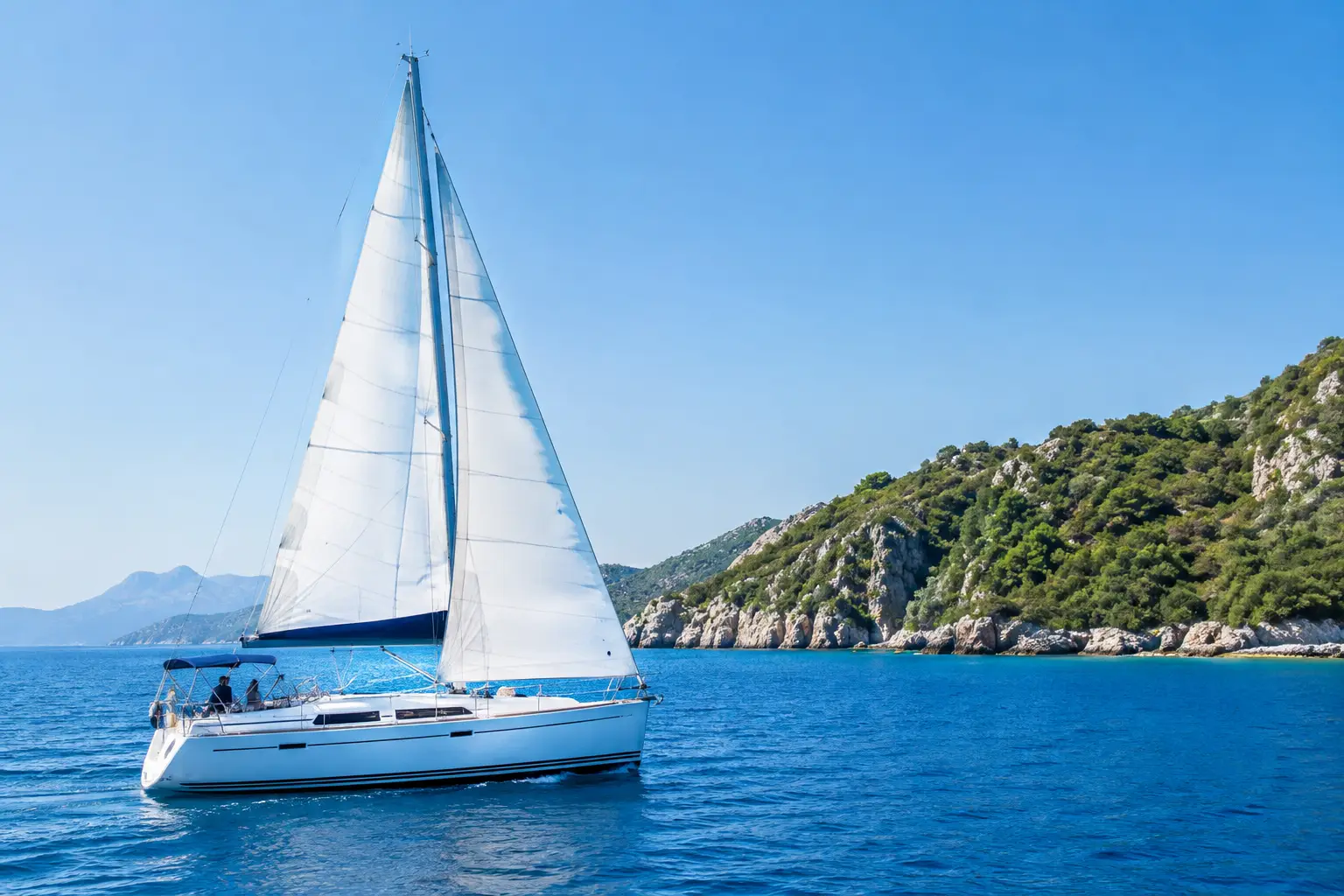
The first question for a Greek island sailing holiday is often not which yacht to choose. It is whether you can legally take the helm. This Greek yacht charter license guide explains what charter companies and port authorities typically need to see before handing over a bareboat yacht, and when choosing a professional skipper is the more relaxing way to enjoy the trip.
A week under sail can mean quiet anchorages, swimming stops, village tavernas, and a route that changes with the wind. The right charter type makes that freedom feel easy rather than stressful. For capable sailors, bareboat charter offers real independence. For everyone else, a skippered yacht keeps the experience personal while placing navigation, docking, weather decisions, and local procedures in experienced hands.
Greek Yacht Charter License Guide: The Basic Rule
To charter a yacht bareboat in Greece, at least one person on board must hold a valid sailing qualification that Greek authorities and the charter company accept for the size and type of vessel. That person becomes the designated skipper and takes legal responsibility for the yacht, crew, and safe operation during the charter.
There is no single license that every visitor worldwide carries, and acceptance can depend on the issuing country, the certificate wording, the yacht, and the charter operator's insurance requirements. The practical standard is straightforward: your documentation must show that you are qualified to skipper a recreational sailing yacht in coastal waters.
An International Certificate of Competence, commonly called an ICC, is widely understood and often the clearest document for visitors from eligible countries. National sailing certificates may also be accepted when they specifically authorize the holder to command a sailboat. Examples can include recognized coastal skipper qualifications or equivalent national licenses, but names alone do not guarantee approval. Send clear copies before committing to a bareboat booking.
Experience matters as much as paperwork. A certificate earned years ago, with little recent time at sea, may not give a crew the confidence needed for busy harbors, strong afternoon winds, or unfamiliar mooring arrangements. Be honest about your recent sailing history. A good charter team would rather recommend a skipper or a simpler route than see guests begin their vacation under pressure.
Bareboat and Skippered Charters Are Different Holidays
A bareboat charter means your party operates the yacht without a professional captain supplied by the operator. You plan the daily passages, check forecasts, anchor or dock the boat, manage provisions, and make the final call when conditions change. The yacht is yours to run, within the agreed cruising area and the terms of the charter contract.
This option suits sailors who enjoy the work behind a beautiful day on the water. It also gives families and groups more flexibility with timing, overnight stops, and pace. Yet bareboat is not simply a license rental. The designated skipper needs to be comfortable with sail handling, anchoring, engine checks, collision regulations, and close-quarters maneuvering.
A skippered charter includes a professional captain. You can still help sail, choose the mood of the day, linger in a bay, and learn from someone who knows the local coastline. But the skipper handles the operational responsibility and makes safety decisions. This is often the best fit for first-time charter guests, mixed-experience groups, or travelers who want their holiday to feel like a holiday from the first morning.
For a shorter outing, such as a sailing trip from Heraklion to Dia Island, guests do not need a license. The yacht is crewed, so you can focus on the crystal blue water, snorkeling, refreshments, and the pleasure of being at sea.
What Documents Should You Prepare?
Before a bareboat charter begins, the operator will normally ask the proposed skipper to provide a copy of their certificate and a government-issued photo ID or passport. Do this early, ideally before the final balance is due. It allows time to confirm acceptance or discuss a skippered alternative.
Bring the original qualification and identification with you as well. Digital copies are useful for advance review, but original documents may be requested during check-in or by authorities. Keep them dry and accessible rather than buried in a suitcase.
You may also be asked to complete a crew list and sign the charter agreement, inventory, and insurance paperwork. Read these documents carefully. They explain the permitted cruising grounds, security deposit or damage-waiver arrangement, check-in and check-out procedures, fuel policy, weather limitations, and what to do if the yacht develops a problem.
If your certificate is not in English or Greek, ask whether a translation is required. Do not assume an informal explanation at the marina will be enough. A quick pre-charter review avoids a disappointing surprise on embarkation day.
The Second Competent Crew Member Requirement
Greek bareboat charters commonly require a second adult crew member who is declared competent to assist the skipper. This person may not need the same formal license, but they should have practical knowledge of sailing and be able to help with watches, anchoring, lines, fenders, and basic safety tasks.
That requirement is sensible rather than ceremonial. Even an experienced skipper benefits from another calm pair of hands when approaching a dock in crosswind or handling an anchor in a crowded bay. Choose someone who has genuinely spent time on boats if possible, and discuss roles before you leave the marina.
If no one in your group can reasonably fill that role, tell the charter company. Depending on the itinerary and vessel, a professional skipper may be the appropriate solution.
Do You Need a VHF Radio License?
Radio requirements can be confusing because rules differ by nationality, certificate type, vessel equipment, and local practice. A yacht will carry the safety and communication equipment required for its operation, but the charter company may ask about a VHF radio operator qualification, especially when reviewing a bareboat skipper's credentials.
Some sailing qualifications already include radio training or operate alongside a separate short-range radio certificate. Others do not. Rather than guessing, send copies of every relevant qualification you hold and ask what is required for your specific charter. This is also a good moment to ask about navigation equipment, chart plotters, safety briefings, and emergency contact procedures.
A License Is Not a Weather Guarantee
The Greek islands reward good judgment. Summer can bring reliable sunshine, but it can also bring strong regional winds, particularly in exposed island groups. A skipper must be willing to shorten a passage, leave early, stay in port, or select a protected anchorage when the forecast calls for it.
This is where local knowledge has real value. A captain understands which harbor becomes uncomfortable in a certain wind direction, where afternoon gusts build, and which route leaves enough margin for a relaxed arrival. Experienced bareboat sailors should still listen closely during the yacht handover and take route advice seriously.
Comfort also depends on the yacht and crew, not only on the license. A modern sailing yacht with enough cabins, bathrooms, shade, and deck space makes a meaningful difference for a group of six to ten guests. Match the boat to the people aboard, especially if children, new sailors, or guests prone to seasickness are joining.
Questions to Ask Before You Book
Ask whether your exact certificate is accepted for the yacht you want, whether a second competent crew member is needed, and whether the operator wants a sailing resume. Confirm the security deposit, insurance options, the allowed sailing area, and any restrictions on night sailing or travel in strong winds.
It is also wise to ask what support is available once you depart. A responsible operator provides a thorough handover and a clear point of contact should you need technical help or weather guidance. At Cretan Yachts, the aim is to make the choice clear before you arrive at the marina, not turn paperwork into a last-minute obstacle.
If your qualifications are current and your crew is capable, bareboat sailing can be one of the most rewarding ways to see Greece. If there is any doubt, choose a skipper and keep the freedom that matters most: time to swim, share a long lunch ashore, and watch the islands appear on the horizon without worrying about the next maneuver.
