
Do Cruises Include Snorkeling Gear? What to Expect
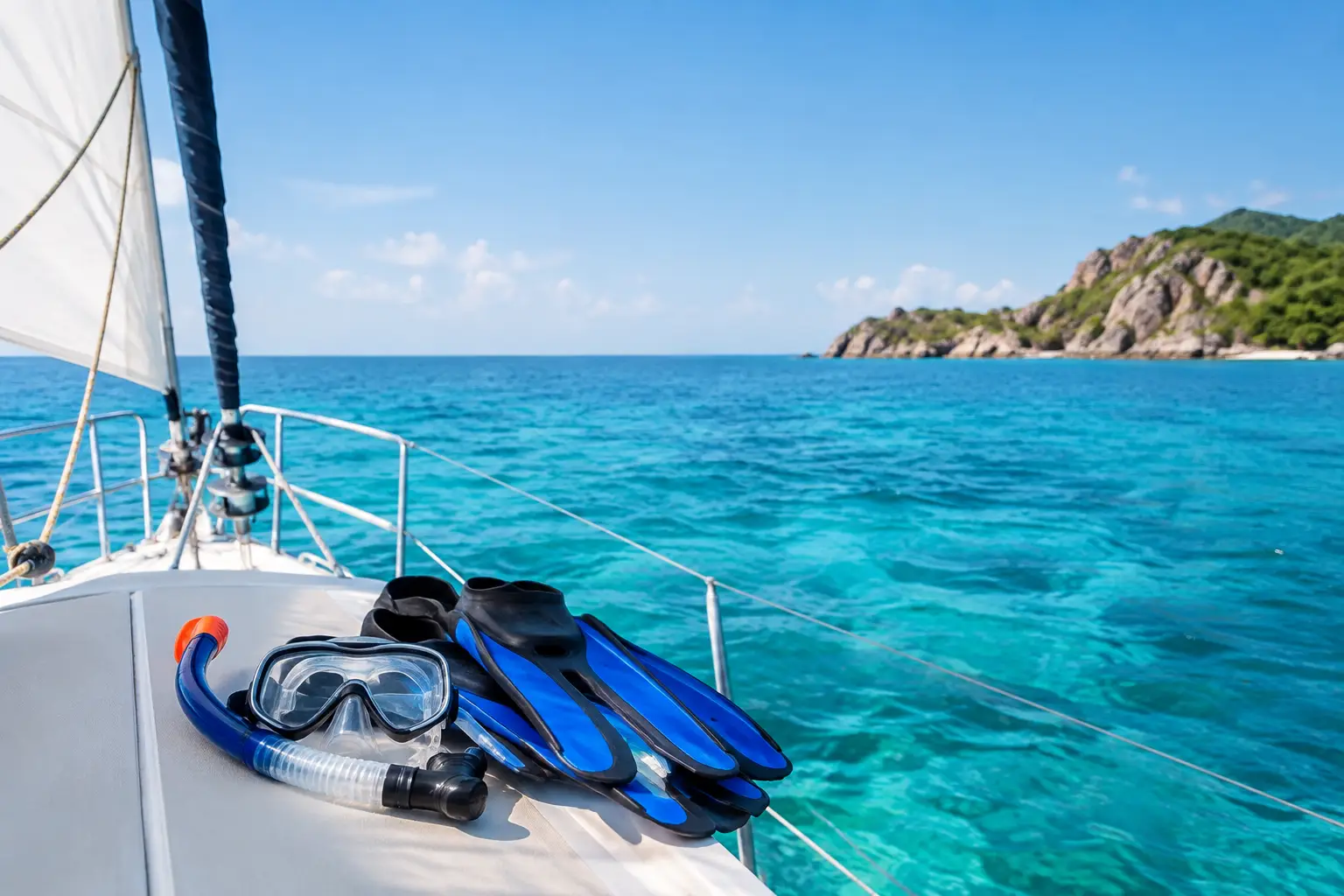
A clear, warm Aegean swimming stop can be the moment everyone remembers most. But do cruises include snorkeling gear, or should you make room in your suitcase for a mask and snorkel? The honest answer is: it depends on the type of cruise, the operator, and what is stated in your booking details. A little advance checking means you can step aboard ready to relax rather than wondering whether you will miss the fish below the surface.
Do Cruises Include Snorkeling Gear?
Many day cruises that advertise swimming or snorkeling stops do provide basic equipment, usually a mask and snorkel. This is particularly common on smaller sailing excursions, where the experience is built around anchoring in clear water and giving guests time to swim at their own pace. Some operators also carry fins, flotation noodles, or children’s sizes, while others limit their onboard equipment to masks and snorkels.
Large cruise ships can work differently. They may offer a shore excursion with snorkeling gear included, rent it separately, or expect guests to bring their own equipment. A beach stop alone does not automatically mean snorkeling gear will be available. Read the excursion description carefully, especially the section about inclusions, and ask before you book if the wording is vague.
For a day sail, the best clue is the activity itself. If snorkeling is presented as a central part of the trip, equipment is often organized for guests. If the itinerary simply mentions a swim stop, gear may not be guaranteed. Either way, a professional crew should explain where to enter the water safely, point out the swimming area, and make flotation support available for less confident swimmers.
What “Included” Usually Means
When gear is included, expect clean, shared equipment designed for recreational use. It should be perfectly suitable for looking into the water around a protected bay, spotting small fish, and enjoying the feeling of floating above the seabed. It may not be the same as premium fitted gear from a dedicated dive center.
A standard set commonly includes a mask and snorkel. Fins are less consistent because sizing, storage, and comfort can be more complicated on a boat. Full-face masks are also not always offered. They are harder to fit correctly, and many experienced crews prefer traditional masks and snorkels because they are familiar and easy to use.
You may also find life jackets, buoyancy aids, or floating devices onboard. These are not snorkeling gear in the strict sense, but they matter just as much for families, first-time snorkelers, and anyone who would rather enjoy the view without treading water. Wearing a flotation aid is a smart choice, not a sign that you do not belong in the water.
Why the Type of Cruise Matters
A half-day sailing trip from Heraklion to Dia Island is very different from a seven-night yacht charter or a stop arranged by a large cruise line. On a hosted sailing excursion, the crew knows the anchorages, monitors conditions, and prepares the boat for swimming. The snorkeling stop is part of a relaxed, planned experience alongside refreshments, time on deck, and the scenery of Crete’s coast.
On a private yacht charter, inclusions can be more flexible. The yacht may have snorkeling equipment onboard, but the exact selection can vary by vessel and charter package. If snorkeling is a priority for your group, mention it before departure. This gives the team time to confirm quantities and sizes, especially if children are joining you.
Bareboat charters require a little more planning. You have the freedom to choose your own coves and timetable, but you should verify the inventory list before leaving the marina. Some charter yachts include basic snorkeling equipment; others treat it as an optional extra. It is much easier to arrange this at check-in than to discover the difference once you are anchored off a quiet island beach.
Questions Worth Asking Before You Book
You do not need a long checklist. A few direct questions will give you a clear answer:
- Are masks and snorkels included for every guest?
- Are fins available, and are there sizes for children?
- Is equipment cleaned between uses?
- Are life jackets or flotation aids available for swimming?
- Can guests bring and use their own snorkeling equipment?
These details are especially useful when traveling with younger children, guests who wear prescription glasses, or someone who is nervous in open water. A good operator will answer plainly and help you select the trip that suits your group.
When Bringing Your Own Gear Makes Sense
Even if snorkeling gear is supplied, bringing your own mask can make a real difference if fit matters to you. A mask that seals comfortably around your face is the difference between calmly watching the underwater world and constantly clearing water. Travelers who snorkel often, wear prescription lenses, or prefer a particular style of snorkel may be happiest with their own set.
There is also a hygiene and familiarity factor. Shared gear is cleaned and intended for guest use, but your own mask is yours alone and already adjusted to your comfort. Pack it in a protective case, and avoid placing anything heavy on top of it in your luggage.
That said, do not feel that buying gear is required for one vacation swim. For many guests, the onboard equipment is all they need. The point of a sailing day is not to arrive with specialist equipment. It is to enjoy the water, the yacht, and the freedom of being away from the crowded shoreline.
Getting Ready for a Better Snorkeling Stop
A few small choices make the water time more enjoyable. Apply reef-conscious sunscreen before boarding or well before your swim, so it has time to absorb. Bring a towel, sunglasses, and a cover-up for the sail back, when the sea breeze can feel cooler than expected. If you have long hair, a simple hair tie makes fitting a mask much easier.
Before entering the water, ask a crew member how deep it is, where the safest entry point is, and whether there are any currents to be aware of. Never jump in before the captain or crew gives the go-ahead. Conditions can shift with wind and swell, even on a bright day, and the crew may move the yacht or adjust the plan to keep guests comfortable.
For first-time snorkelers, start close to the boat. Put your face in the water, practice breathing slowly through the snorkel, and keep one hand on a flotation device if that helps. You do not have to swim far to see something beautiful. In the clear blue waters around Dia Island, simply floating quietly can reveal schools of fish and the shifting textures of the seabed below.
Snorkeling With Children and Non-Swimmers
Families often worry that a snorkeling cruise is only for strong swimmers. It should not be. Children can enjoy the experience with close adult supervision, properly fitted life jackets, and a calm introduction to the mask and snorkel. Let them try the mask while holding onto the swim platform or a floating aid. Keeping the first attempt playful and brief usually works better than pushing for a long swim.
Non-swimmers can still be part of the moment, too. Many are happy to float near the yacht with a buoyancy aid, watch others from the deck, or ease into the water with help from the crew. Comfort comes first. No photo, fish sighting, or itinerary is worth feeling pressured beyond your confidence level.
On Cretan Yachts sailing trips, the value of having an attentive crew is not just knowing the route to Dia Island. It is having people nearby who can help guests settle in, explain the water stop, and keep the atmosphere relaxed for every age and ability.
A Quick Reminder About Conditions
The clearest water does not always mean the calmest water. Wind direction, sea state, and the day’s route can affect whether a planned snorkeling stop is suitable. A responsible captain may choose a different bay, shorten the swim, or skip snorkeling if conditions are not safe. That is good seamanship, and it protects the experience for everyone onboard.
If snorkeling is the highlight of your day, choose an operator that treats safety as part of hospitality. Ask what happens if weather changes, listen to the crew’s guidance, and stay flexible. The sea is more enjoyable when you respect it.
Bring your curiosity, a comfortable swimsuit, and your own mask if you have one you love. With the right cruise and a little preparation, the only thing left to decide is how long you want to float in that crystal-blue water before heading back to the deck for a cold drink.
